Abashiri, Lake Saroma & Okhotsk Campervan Guide [2026] | Drift Ice, Wildflower Meadows & Coral Grass
A complete campervan guide to Abashiri, Lake Saroma, and the Okhotsk coast (~350 km from Sapporo).
Pick a campervan by what matters to you.
Rent at New Chitose Airport
See only the rental bases in Chitose, where the airport is.
Rent in winter (Dec–Mar)
Companies that rent through winter, listed apart from those that close.
Guide price
Moving Inn New Chitose Airport: HIACE van conversion from ¥22,000 per night. 20–30% off when booked 60–90 days ahead (official rate table, checked 15 Oct 2026).
New Chitose Airport map for campervan travellers →
Before you book: with an International Driving Permit if your country is in the Geneva Convention (for example the US, Australia, Singapore); Taiwan, Switzerland, Germany, France, Belgium and Monaco need your licence plus a Japanese translation (Tokyo Metropolitan Police). Questions in English: Moving Inn on WhatsApp. Every roadside station (michi-no-eki) must have free 24-hour toilets, and Hokkaido has 128 of them (MLIT).
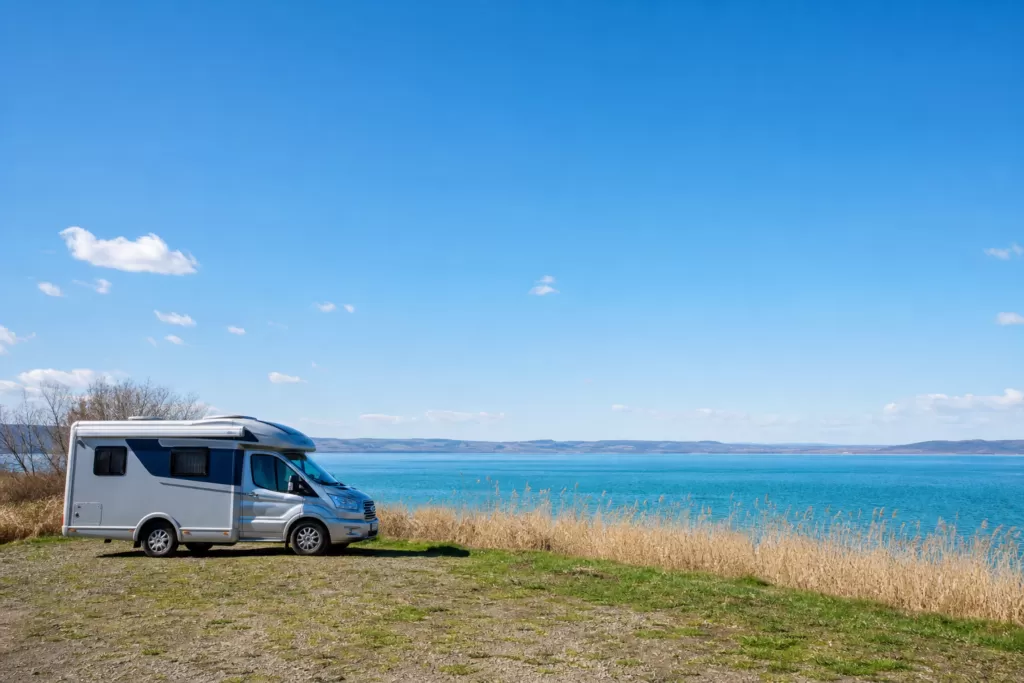
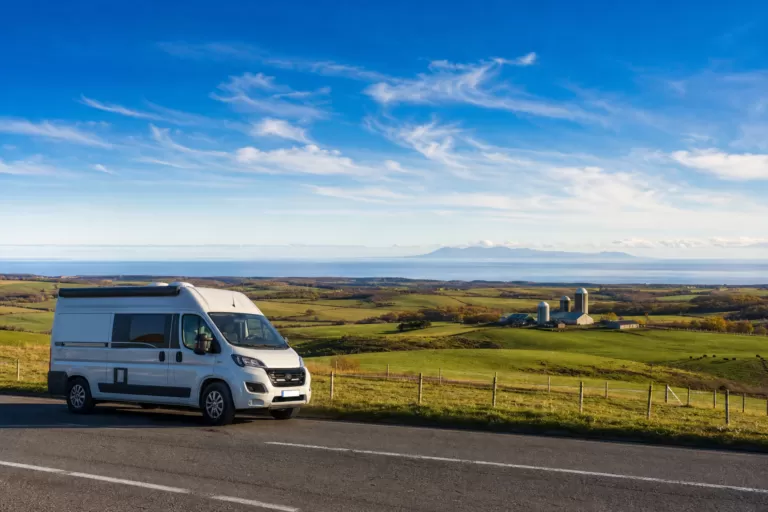
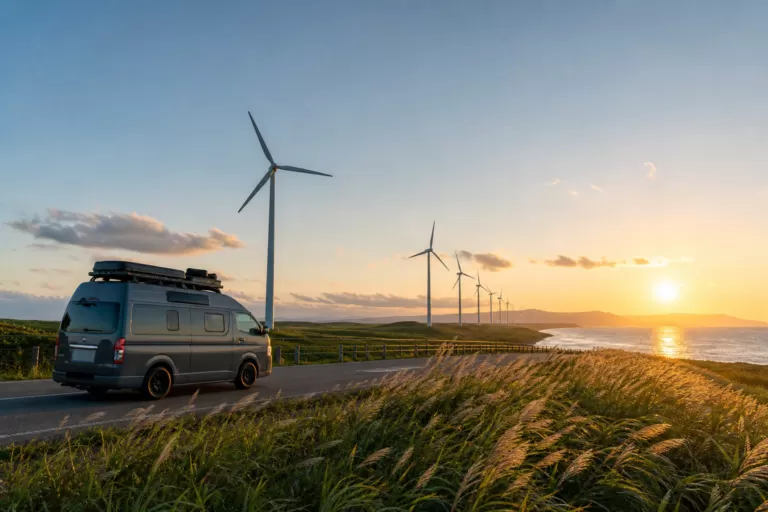
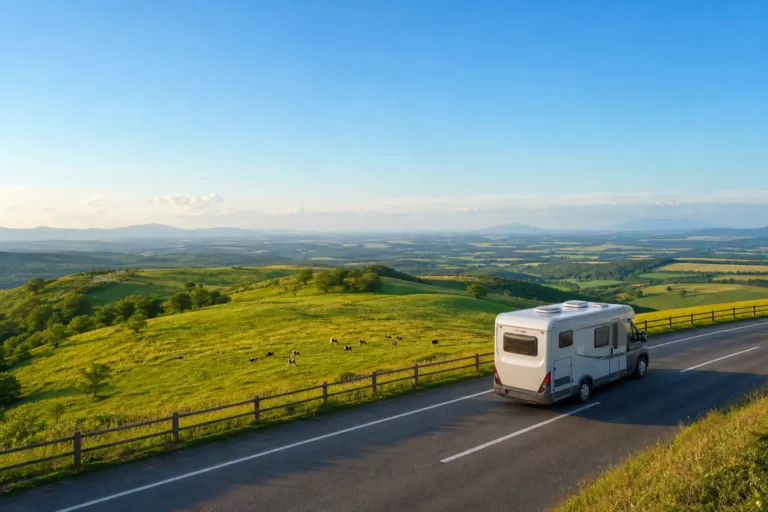
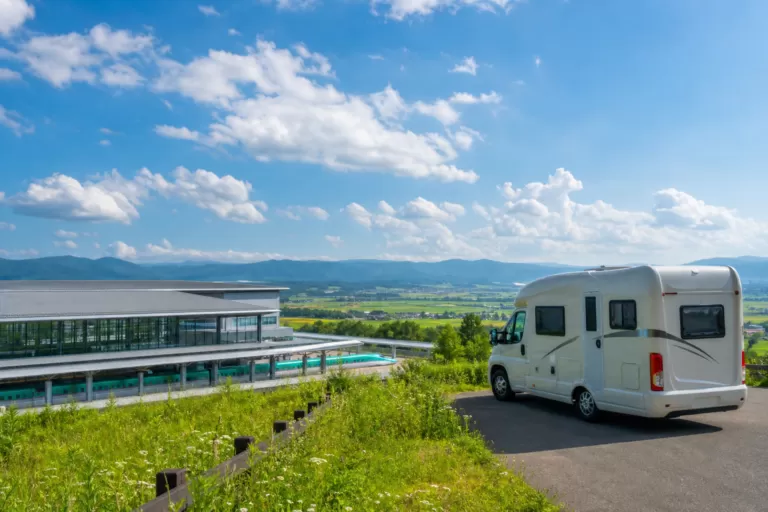
The Okhotsk coast, encompassing Abashiri, Lake Saroma, and Lake Notoro, offers a dramatically different spectacle each season: drift ice in winter, wildflower meadows in summer, and coral grass in autumn. Located roughly 350 km from Sapporo, it is too far for a day trip, making a campervan—which combines accommodation and transport—the ideal way to explore the region. This guide covers estimated costs, access routes, seasonal highlights, major attractions, overnight spots, a 4-night 5-day model itinerary from Asahikawa, a cost simulation, and FAQ.
Estimated Costs for a Campervan Trip to Abashiri & Lake Saroma
The four main costs are rental fees, fuel, accommodation (RV parks and campsites), and sightseeing. Rental rates vary by vehicle type and season: around ¥15,000–25,000 per day for a van conversion and ¥20,000–35,000 for a cab-over model. Rates tend toward the upper end in February (drift ice season) and July–August (summer holidays), and toward the lower end on weekdays in June or September. Most campervans run on diesel; at 7–9 km/L and ¥160/L, expect about ¥1,800–2,300 per 100 km. RV park fees run ¥2,000–3,000 per night; campsite fees without electricity run ¥500–1,500; roadside station rest stops are free. Compared with a hotel-and-rental-car trip, you save on lodging even as you cover more ground. See the cost simulation later in this article for a concrete 4-night 5-day breakdown.
| Cost Item | Estimate | Notes |
|---|---|---|
| Rental fee | ¥15,000–35,000/day | Varies by vehicle type and season |
| Fuel | ~¥2,000/100 km | Diesel, ~8 km/L assumed |
| Accommodation | ¥0–3,000/night | RV park / campsite / roadside station |
| Sightseeing | ¥1,500–4,000/person/day | Icebreaker cruises, museums, etc. |
Access and Driving Routes to Abashiri & Lake Saroma
Abashiri is about 350 km from Sapporo. The standard route is via Asahikawa, taking the toll-free Asahikawa-Monbetsu Expressway, then Route 333/239 from Engaru toward the Okhotsk coast—allow 4.5–5 hours including rest stops. That is beyond the 200 km / 9-hour daily driving guideline, so break the trip with an overnight stop. From New Chitose Airport the travel time is similar: head toward Asahikawa on the Doo Expressway, or enter Kitami via Tokachi. By air, Memanbetsu Airport is the closest gateway, about 20 km (30 min) from central Abashiri; from Asahikawa Airport it is roughly 240 km (3.5 hours). Using Abashiri as a hub, Lake Notoro’s Uhara area is about 15 km away, the eastern shore of Lake Saroma is about 35 km, and the Wakka Nature Center is about 40 km. Route 238 (the Okhotsk Line) connects all key towns in a single road with few traffic lights and flat coastal terrain, making it manageable even in a large cab-over campervan.
Three points to keep in mind for winter access: first, the Ukishima Pass between Asahikawa and Engaru is prone to whiteout conditions—check road closure info on Kita no Michi Navi before departing; second, sunset comes before 4 p.m., so limit daily driving to 200 km and 9 hours (including breaks) and arrive at your overnight spot in daylight; third, refuel whenever the gauge drops below half—gas stations are sparse between Engaru, Yubetsu, and Abashiri, and many close on Sundays. In summer, blizzards and early sunsets are no longer a concern, and the long daylight hours (light from 4 a.m. to 7 p.m.) give you more time for sightseeing. Even in summer, though, keep driving to about 200 km and 9 hours a day (including breaks).
Seasonal Highlights Calendar
The Okhotsk coast changes its main attraction completely with each season. Winter (late January–early March): drift ice. The icebreaker Aurora departs Abashiri Port and the Garinko-go III departs Monbetsu Port; when ice reaches shore you can see it from the beach. Spring (May–June): shibazakura and early wildflowers. The shibazakura lawn at Higashimokoto, Ozora Town, peaks in mid-May, only about 20 km from Abashiri. Summer (late June–August): top season for Lake Saroma and Wakka Nature Center. Hamanasu, Ezo day lilies, and alpine flowers bloom along the sandbar. Autumn (early to mid-September): the coral grass (akkeshiso) at Lake Notoro’s Uhara Colony turns the shoreline crimson, typically peaking in mid-September. The roads remain stable before the first snow in mid-October, making late September–early October ideal for those who prefer smaller crowds.
In finer monthly detail: February has the highest drift ice shore-contact rate and lowest cancellation risk; early March offers lengthening daylight for photography as ice begins to drift away. June brings ezo day lilies to the nature centers; early July is the floral peak. Late August sees fewer flowers but the deepest blue of Lake Saroma’s water. In September, salmon begin their upstream run alongside the coral grass; October adds whooper swans to Lake Tofutsu. November through mid-January is the gap season before drift ice returns—avoid this period if visiting the Okhotsk coast specifically for its scenery.
Dressing for each season is equally important. During drift ice season, daytime temperatures hover around −5 °C; wind chill at sea or on headlands can feel like −15 °C—down jacket, hat, waterproof gloves, and non-slip boots are essential. Even in June–August, mornings and evenings can drop to 10–15 °C, so pack a fleece. In September (coral grass season), daytime is a comfortable 15–20 °C for walking, but mornings can be single digits—switch sleeping gear from summer-weight to three-season before departure.
| Season | Best Period | Main Highlights |
|---|---|---|
| Winter | Late Jan–Early Mar | Drift ice (Aurora & Garinko-go icebreakers) |
| Spring | Mid-May–Jun | Higashimokoto Shibazakura Park, early wildflowers |
| Summer | Late Jun–Aug | Lake Saroma, Wakka Nature Center wildflowers |
| Autumn | Early–Mid Sep | Lake Notoro Coral Grass Colony |
Major Sightseeing Spots in Abashiri & Lake Saroma
Abashiri Prison Museum
An open-air museum built from the relocated original buildings of the Meiji-era Abashiri Prison, now designated Important Cultural Properties. The radial cellblock and solitary cells can be explored on foot; plan about two hours. Adult admission ¥1,500. The Prison Cafeteria serves a re-created “prison meal” (around ¥900). Ample parking (suitable for large vehicles) and mostly indoor exhibits make this a solid rainy-day option. Located about 4 km from central Abashiri on the slopes of Mt. Tento, it pairs naturally with the adjacent Okhotsk Drift Ice Museum.
Drift Ice Cruises: Garinko-go (Monbetsu) & Aurora (Abashiri)
Icebreaker cruises operate from two ports. Abashiri’s Aurora carries 450 passengers on a stable hull; adult fare ¥4,500, duration about 1 hour. Monbetsu’s Garinko-go III IMERU uses drills to cut through ice, making it distinctive; fares ¥4,000–6,000 (varies by season), duration about 1 hour. Season runs roughly mid-January to early March; cruises may be cancelled or run “ice-free” depending on conditions. Check drift ice status the day before and book online. The two ports are about 120 km apart, so boarding both requires an overnight between them.
Wakka Nature Center
A coastal meadow stretching about 20 km along the sandbar between Lake Saroma and the Okhotsk Sea. More than 300 species of wildflowers grow here; mid-June to July, when hamanasu, Ezo scilla, and ezo day lilies bloom, is the most spectacular period. Private cars are not allowed inside; rent a bicycle (from ¥730 for 2 hours) or board a horse-drawn carriage from the Nature Center in Eihama, Tokoro-cho, Kitami. The classic route to “Wakka no Mizu” (freshwater spring on the sandbar) is an 8 km round trip—about 1.5 hours by bicycle. The Nature Center parking lot is free and accessible by large vehicles. Open late April to early October.
Lake Notoro Coral Grass Colony (Uhara)
The Uhara district on the southern shore of Lake Notoro hosts one of Japan’s largest colonies of akkeshiso (coral grass), covering about 4 hectares. This annual halophyte begins coloring in early September and typically reaches its deep crimson peak in mid-September. A boardwalk allows you to walk through the colony from the parking area. Admission and parking are both free; 30 minutes to an hour is enough to take it all in. The “Sango-so Matsuri” festival is held on peak weekends and the lot fills up, but arriving before 8 a.m. gives you space. About 20 minutes by car from central Abashiri—morning light brings out the richest red.
Cape Notoro, Koshimizu Nature Center & Lake Tofutsu
Several smaller stops enrich your route. Cape Notoro, about 10 km from central Abashiri, is a clifftop headland jutting into the Okhotsk Sea, with a black-and-white lighthouse and pastureland; in winter it offers a high vantage point for drift ice when cruises are cancelled. Koshimizu Wildflower Park sits along Route 244 between Abashiri and Shari, next to the JR Hamanasu station—step off the parking lot and you’re in the flower fields. Lake Tofutsu is a Ramsar Convention wetland; from October onward, whooper swans congregate and can be watched up close at the free Swan Park observation facility. All three are free to park, take 30 minutes or more, and slot naturally into a driving day between Abashiri and the Shiretoko Peninsula.
Compare Hokkaido campervan rentals
See prices, vehicle types, and bases side by side, including areas beyond Abashiri & Lake Saroma.
See details at Moving Inn →Overnight Spots for Campervans (RV Parks & Campsites)
The Abashiri–Lake Saroma area has solid overnight infrastructure for campervans. The year-round option is RV Park Abashiri Lakeside (Yobito, Abashiri; ~¥2,500/night with electricity), on the shore of Lake Abashiri and 10 minutes by car from the city center. In summer, the free Yobito-ura Campsite opens on the same lakeshore (toilets and cooking area included, no reservation needed). On the Lake Saroma side, Lake Saroma Lakeside Campsite (Saroma-cho; ~¥500/person/night) and Sanri-hama Campsite (Yubetsu-cho, near the tip of the sandbar) sit along the water. Shop for groceries in Abashiri city center or Saroma-cho; use campsites or the RV park for water and garbage disposal. Michi-no-Eki (roadside stations) at Ryuhyo Kaido Abashiri, Saroma-ko, and Ai Land Yubetsu line Route 238 and are useful for rest stops—but chairs, tables, and cooking gear must be put away; they are not campsites.
For bathing, Abashiri Kanko Hotel and other hotels in Abashiri accept day-use bathers, as does Himawari Onsen in Ozora Town (near Memanbetsu Airport)—both cost ¥600–1,000 and are within 15–30 minutes of the campsites. When using RV Park Abashiri Lakeside in winter, power is critical; book an electrified site, bring an extension cord, and use an electric blanket to reduce reliance on the fuel heater. Many facilities charge a small fee for garbage collection, so keep two or three sorted bags handy.
| Facility | Location | Fee | Season |
|---|---|---|---|
| RV Park Abashiri Lakeside | Yobito, Abashiri | ~¥2,500 (electricity incl.) | Year-round |
| Yobito-ura Campsite | Lake Abashiri shore | Free | Summer |
| Lake Saroma Lakeside Campsite | Saroma-cho | ~¥500/person | Summer |
| Sanri-hama Campsite | Yubetsu-cho | ~¥1,000/site | Jul–Aug |
Model Itinerary: 4 Nights 5 Days, Asahikawa Round-Trip
A sample 4-night 5-day loop renting a campervan in Asahikawa. Total distance about 600 km, averaging about 120 km per day—roughly 3 hours driving and 3 hours sightseeing each day.
- Day 1 (Asahikawa → Monbetsu, ~180 km): Depart in the morning via the Asahikawa-Monbetsu Expressway. Visit the Okhotsk Tokkari (seal) Center in Monbetsu, then overnight. In winter, schedule your Garinko-go cruise for today.
- Day 2 (Monbetsu → Lake Saroma, ~80 km): Head south on Route 238. Rest at Michi-no-Eki Ai Land Yubetsu, then explore Wakka Nature Center by rental bicycle in the afternoon. Camp at Lake Saroma Lakeside Campsite.
- Day 3 (Lake Saroma → Abashiri, ~75 km): Morning visit to the Uhara Coral Grass Colony (autumn) or Cape Notoro. Afternoon: Abashiri Prison Museum and Okhotsk Drift Ice Museum. Overnight at RV Park Abashiri Lakeside.
- Day 4 (Abashiri → Kitami → Sounkyo, ~180 km): Morning visit to Koshimizu Nature Center or Lake Tofutsu, then a Yakiniku lunch in Kitami. Cross the Sekihoku Pass to Sounkyo; enjoy a hot spring bath and stay nearby.
- Day 5 (Sounkyo → Asahikawa, ~85 km): Morning walk to Obako and Ginga/Ryusei Falls, then return the campervan in Asahikawa by early afternoon.
In winter, the Sekihoku Pass road surface is packed snow, so build extra time into Day 5 and set a late-afternoon return time. If you only have three days, a 2-night 3-day condensed version works: Day 1 Asahikawa → Monbetsu (~180 km, overnight Monbetsu), Day 2 Yubetsu + Wakka + Lake Notoro + Prison Museum (~160 km, overnight Lake Saroma), Day 3 Lake Saroma → Engaru → Asahikawa (~180 km). Asahikawa to Abashiri is about 210 km, over the 200 km daily guideline, so you visit Abashiri on Day 2 instead of staying there. The main highlights are still covered. If you have extra time, adding Shiretoko (Utoro is ~80 km from Abashiri) between Days 3 and 4 expands the trip to 6 nights 7 days. Utoro to Sounkyo is about 210 km, too far for one day, so on the way back stay a night at RV Park Toge no Yu Bihoro before heading on via Kitami and the Sekihoku Pass.
Compare Hokkaido campervan rentals
See prices, vehicle types, and bases side by side, including areas beyond Abashiri & Lake Saroma.
See details at Moving Inn →Cost Simulation (4 Nights 5 Days)
Calculated for 2 adults and 2 children in a cab-over campervan during the regular summer season at ¥28,000/day, covering about 600 km at 8 km/L on diesel at ¥160/L (fuel ~¥12,000).
| Cost Item | Calculation | Amount |
|---|---|---|
| Rental fee | ¥28,000 × 5 days | ¥140,000 |
| Fuel | 600 km, diesel | ~¥12,000 |
| Accommodation | 2 nights RV park + 2 nights campsite | ~¥7,000 |
| Sightseeing | Prison museum, drift ice museum, bicycle rental etc. × 4 | ~¥20,000 |
| Food | Mostly self-catering + 2 restaurant meals | ~¥30,000 |
| Total | 4 people, 4 nights 5 days | ~¥209,000 |
The same itinerary by hotel + rental car would cost ¥30,000–40,000 per night for two twin rooms in eastern Hokkaido in summer—¥120,000–160,000 on accommodation alone, bringing the total to roughly ¥250,000–300,000. A campervan combines accommodation and wheels in a single fee, so the savings grow with group size. For solo or couple travel the gap narrows, so the deciding factor becomes whether you enjoy the time spent inside the vehicle itself.
Three ways to cut costs: ① depart on a weekday (¥2,000–5,000 cheaper per day than weekend departure at most companies); ② use consecutive-night discounts (5+ nights typically gets 5–15% off); ③ buy groceries at supermarkets in bulk and limit restaurant meals to “only here” experiences. One cost not worth cutting is the damage waiver. The Okhotsk region has high Ezo deer collision risk; the daily waiver fee (~¥1,000–2,000) can dramatically reduce your liability in the event of an incident.
FAQ
Q1. Is it dangerous to drive a campervan to Abashiri in winter?
Rental campervans in Hokkaido come with studded snow tires as standard, and the main roads between Asahikawa and Abashiri are well plowed. Risk increases at the Sekihoku Pass in blizzard conditions and when driving at night. Build your itinerary to reach each overnight spot before sunset, build in one buffer day for potential road closures in severe weather, and the plan is workable even for first-time winter drivers. Choose a vehicle with an FF heater and the cabin stays around 20 °C even when outside temperatures drop to −15 °C.
Additional winter tips: keep extra absorbent towels on hand to wipe condensation off windows; crack a vent slightly when sleeping to let moisture escape and reduce overnight frost buildup. Raise windshield wipers when parked, and keep de-icer spray and a snow brush in the cab—rental companies will demonstrate these basics at the pre-departure walkthrough.
Q2. How do I time my visit to catch the coral grass at peak color?
Lake Notoro’s coral grass typically begins to color in early September, with the peak in mid-September. Timing can shift by about a week from year to year, so check the coloring updates published by the Abashiri Tourism Association before you depart. After October 1, the red fades toward brown. If you can’t pin down exact dates, placing an Abashiri overnight in mid-September is the most reliable way to hit the peak.
Q3. Can I sleep overnight at a roadside station (Michi-no-Eki)?
Roadside stations are not campgrounds; only a rest stop to relieve driving fatigue is permitted. Do not set up chairs or tables, extend awnings, or cook. Multi-night stays and any setup requiring equipment should be done at an RV park or campsite. This area has RV Park Abashiri Lakeside and lakeside campsites, so you can plan an itinerary without relying on roadside stations for overnight stays.
Q4. What should I eat around Lake Saroma?
Lake Saroma is a major producer of scallops and oysters. Scallops are available year-round; oysters peak October–March. You can buy them in the shell at the Michi-no-Eki Saroma-ko and lakeside direct-sale shops. With a campervan, you can grill your purchase on-site at a campsite—one of the clear advantages of this style of travel. On the Abashiri side, try the local “Okhotsk Abashiri Zangi-don” (fried chicken rice bowl) or Moyoro nabe. Head to Kitami for yakiniku—the city has one of the highest yakiniku restaurant densities per capita in Japan.
A note on cooking shellfish in the vehicle: to control odors, use a lidded garbage container and odor-control bags. Use gas-stove cooking at the campsite’s cooking area or outdoors; in-vehicle cooking should be limited to boiling water or microwave heating to avoid cleaning fees on return.
Related Articles & Summary
Abashiri, Lake Saroma, and the Okhotsk coast offer a clear travel purpose in every season—from winter drift ice to autumn coral grass—and the campervan bridges the gap left by limited accommodation and long distances between key spots. Book two to three months ahead for February (drift ice) and July–August (summer holidays), when vehicles sell out earliest. See also:
Check vehicle availability for Asahikawa and Sapporo departures on the calendar on each rental shop’s page. Once you have settled on dates that match the drift ice or coral grass peak, lock in your vehicle early to confirm the plan.
Final planning checklist: ① decide your target season (February for drift ice, July for wildflowers, mid-September for coral grass); ② choose your gateway (Memanbetsu Airport for speed, Asahikawa or Sapporo for cost); ③ book overnight spots first (RV Park Abashiri Lakeside is open year-round); ④ recheck cruise and bloom status one week before departure. With these four steps covered, the Okhotsk journey is far less daunting than its distances suggest.
Book a Campervan in Hokkaido
Moving Inn New Chitose Airport supports English booking and offers airport transfers.
Pick a campervan by what matters to you.
Rent at New Chitose Airport
See only the rental bases in Chitose, where the airport is.