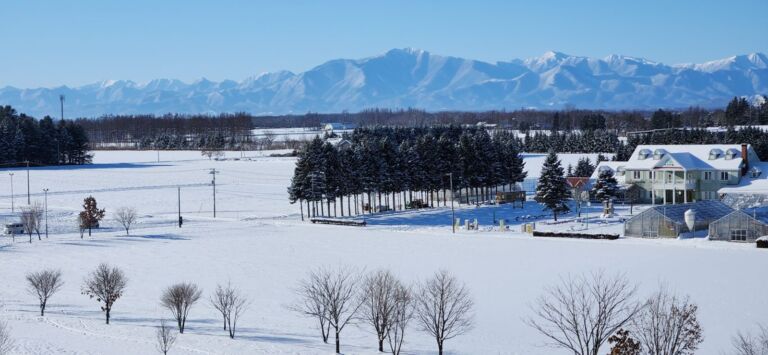
When Does It Start Snowing in Hokkaido? First Snow Dates: Asahikawa Oct 19, Sapporo Oct 28 (2026)
You’ve booked a campervan out of Asahikawa for a long weekend in mid-October. While you’re mapping out the route, you check the weather and the words “first snow” catch your eye, and you stop scrolling. What happens to the trip if it snows? Does your travel window even overlap with the snow season? Hokkaido’s first snowfall has a published “normal date” — a statistical average built from 30 years of data — and knowing it changes how you build your itinerary and how you react at the last minute. This article turns the Japan Meteorological Agency’s first-snow averages into planning material, covering everything from building your route to what to do if signs of snow show up right before departure.
What Winter 2026 Looks Like So Far: JMA’s September 18 Outlook
A “normal date” is a 30-year average, not a forecast for this particular year. What this year is likely to look like can be checked through JMA’s seasonal outlook. Here is what the Sapporo Regional Headquarters announced at 14:00 on September 18, 2026 (source: JMA, Seasonal Outlook, Sapporo Regional Headquarters, issued 2026-09-18 14:00, confirmed 2026-09-25).
| Outlook | Period covered | Metric | Below normal | Normal | Above normal |
|---|---|---|---|---|---|
| 3-month outlook | Oct–Dec 2026 | Average temperature, Hokkaido region | 10% | 40% | 50% |
| Winter outlook | Dec 2026–Feb 2027 | Average temperature, Hokkaido region | 20% | 40% | 40% |
| Winter outlook | Dec 2026–Feb 2027 | Snowfall, Hokkaido Sea of Japan side | 40% | 40% | 20% |
Overall, conditions aren’t expected to differ much from the historical average. JMA states that “Hokkaido’s Sea of Japan side and Okhotsk side will likely see cloudy or snowy days at about the normal rate, and Hokkaido’s Pacific side will likely see sunny days at about the normal rate.”
“Warmer than average” does not mean “less snow”
The chance of above-average temperatures from October through December is 50%, the largest of the three probability bands. But that’s a three-month average — it doesn’t mean the first-snow date itself is pushed back. First snow is driven by upper-air cold air masses and precipitation on a given day, not by the average temperature. Even in a mild autumn, a single cold-air intrusion is enough to bring snow.
The same logic applies to snowfall volume. On the Sea of Japan side, “below normal” and “normal” winter snowfall are tied at 40% each, but “above normal” still holds 20%. Read another way: roughly one winter in five turns out heavier than usual.
How to actually use this outlook when planning
There are two practical uses. First, if you’re traveling between October and December, this confirms that planning around the normal dates below is a reasonable baseline. Second, if you’re driving the Sea of Japan side from December onward, you can reasonably assume you don’t need to brace for a historically heavy snow year — though you shouldn’t rule it out either.
Both of these are “probably” statements. As your departure date gets closer, switch from this seasonal outlook to the week-ahead forecast. Think of the seasonal outlook as material for deciding your dates, and the week-ahead forecast as material for what to pack and how to decide on the day — keeping the two separate avoids confusion.
When Does Hokkaido’s First Snow Actually Fall? Normal Dates by Location, and How to Read Them
The normal dates for first snow across 19 locations
Across 19 locations covering the main travel destinations, the earliest normal dates are Asahikawa and Wakkanai on October 19, and the latest is Kushiro on November 7 (source: JMA Sapporo Regional Headquarters, Normal Dates for Snow, Frost, Ice, Snow Cover and Snow Depth, 1990–2020 climatological normals, confirmed 2026-09-25).
Narrowed to eight major locations, the normal dates for first snow published by JMA’s Sapporo Regional Headquarters (based on the 1990–2020 statistical period) look like this (source: JMA Sapporo Regional Headquarters, Normal Dates for First Snow, confirmed 2026-08-24).
| Location | Normal date of first snow |
|---|---|
| Asahikawa | October 19 |
| Wakkanai | October 19 |
| Sapporo | October 28 |
| Abashiri | October 30 |
| Obihiro | November 1 |
| Hakodate | November 1 |
| Muroran | November 2 |
| Kushiro | November 7 |
The first thing to understand is that a normal date is a 30-year average, not a forecast for this particular year. Some years bring snow two weeks earlier than normal; other years hold off until mid-November. Reading “Asahikawa’s normal date is October 19, so there’s no snow before October 18” treats an average like a deadline, which misreads the number. A more realistic way to use it is as a window: the two to three weeks on either side of the normal date are all fair game for first snow.
One more distinction matters. “First snow” is an observation that snow fell — it is not the same as snow settling on the road. Roads don’t necessarily turn wintry on the day of first snow. That said, mornings and evenings around this time of year get close to freezing, so ice on mountain passes and bridges can begin before snow does. For trip planning, the thing to watch isn’t “the day snow piles up” but “the period when road surfaces start turning wintry.” Treating it that way is the safer read.
When does snow actually start settling? At least 32 days after first snow
The day of first snow and the day snow starts staying on the ground without melting are two different things. JMA records the latter as the start of “sustained snow cover.” Comparing the two dates across the same 19 locations, the shortest gap is 32 days (Kutchan), the longest is 60 days (Muroran), and the median is 39 days.
In other words, from the moment first snow makes the news to the moment roads actually turn into a proper winter driving surface, there is on average more than a month. “It snowed, so I can’t drive anymore” doesn’t hold. If you hear news of first snow in late October, at that point the road surface is typically just wet.
| Location | First snow | First day with 1cm+ snow cover | Sustained snow cover begins | Days from first snow to sustained cover |
|---|---|---|---|---|
| Wakkanai | Oct 19 | Nov 12 | Dec 3 | 45 days |
| Asahikawa | Oct 19 | Nov 4 | Nov 24 | 36 days |
| Kutchan | Oct 20 | Nov 6 | Nov 21 | 32 days |
| Haboro | Oct 27 | Nov 12 | Dec 2 | 36 days |
| Monbetsu | Oct 27 | Nov 16 | Dec 5 | 39 days |
| Sapporo | Oct 28 | Nov 12 | Dec 6 | 39 days |
| Suttsu | Oct 28 | Nov 15 | Dec 10 | 43 days |
| Abashiri | Oct 30 | Nov 17 | Dec 8 | 39 days |
| Iwamizawa | Oct 30 | Nov 10 | Dec 1 | 32 days |
| Otaru | Oct 31 | Nov 15 | Dec 2 | 32 days |
| Obihiro | Nov 1 | Nov 24 | Dec 7 | 36 days |
| Hakodate | Nov 1 | Nov 18 | Dec 19 | 48 days |
| Muroran | Nov 2 | Nov 24 | Jan 1 | 60 days |
| Tomakomai | Nov 2 | Nov 30 | Dec 29 | 57 days |
| Urakawa | Nov 4 | Nov 27 | Dec 24 | 50 days |
| Esashi | Nov 4 | Nov 26 | Dec 31 | 57 days |
| Hiroo | Nov 5 | Nov 30 | Dec 13 | 38 days |
| Nemuro | Nov 6 | Dec 6 | Jan 1 | 56 days |
| Kushiro | Nov 7 | Dec 1 | Dec 30 | 53 days |
The table is ordered by how early first snow arrives. Eastern Hokkaido (Kushiro, Nemuro) and southwestern coastal areas (Hakodate, Esashi) see their first snow in early November, but sustained snow cover doesn’t set in until late December or New Year’s. Kutchan and Asahikawa, by contrast, go from first snow to sustained cover in about a month. Even within Hokkaido, how long you’re dealing with snow can differ by close to a factor of two.
When does it end? Snow season typically wraps up between mid-April and mid-May
Looking at the spring side of the calendar fills out the full picture. The normal date snowfall ends for the season ranges from as early as April 16 in Hakodate to as late as May 11 in Abashiri. If you’re driving eastern or northern Hokkaido during Japan’s Golden Week (late April–early May), plan on the assumption that mountain passes may still have snow on them.
| Location | Sustained snow cover ends | Snow season ends |
|---|---|---|
| Hakodate | Mar 10 | Apr 16 |
| Esashi | Feb 26 | Apr 17 |
| Suttsu | Mar 26 | Apr 19 |
| Muroran | Mar 7 | Apr 19 |
| Tomakomai | Mar 11 | Apr 19 |
| Sapporo | Apr 2 | Apr 21 |
| Iwamizawa | Apr 6 | Apr 21 |
| Haboro | Apr 4 | Apr 22 |
| Otaru | Apr 8 | Apr 22 |
| Urakawa | Feb 17 | Apr 24 |
| Obihiro | Mar 24 | Apr 26 |
| Kutchan | Apr 17 | Apr 27 |
| Hiroo | Apr 1 | Apr 29 |
| Wakkanai | Mar 29 | May 10 |
| Abashiri | Apr 1 | May 11 |
| Asahikawa | Apr 7 | May 1 |
| Kushiro | Mar 11 | May 1 |
| Nemuro | Mar 21 | May 6 |
| Monbetsu | Apr 3 | May 8 |
Asahikawa and Kushiro Are Three Weeks Apart — That Gap Should Shape Your Route
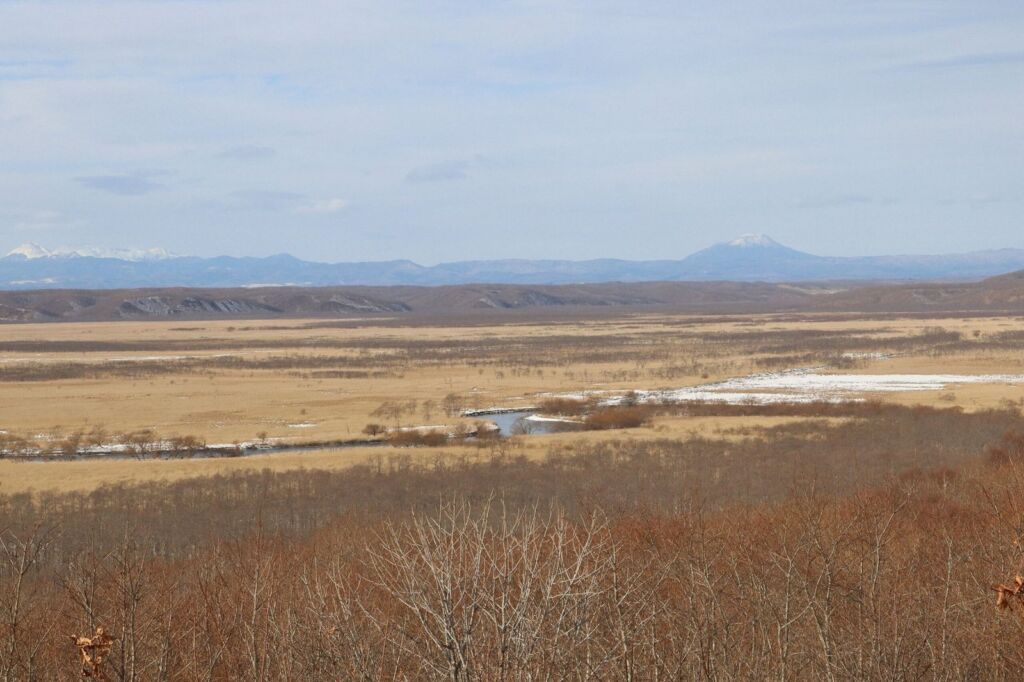
Looking at the table through a route-planning lens, there’s roughly a three-week gap between the inland/northern locations (Asahikawa and Wakkanai, both October 19) and the Pacific coast (Kushiro, November 7). Even for the same “late-October Hokkaido trip,” your odds of running into snow are completely different depending on whether you’re touring northern Hokkaido or the eastern coastline. That gap gives you a few concrete ways to structure a trip.
First, if your itinerary from mid-October onward includes northern Hokkaido (Asahikawa, Wakkanai) or an inland mountain pass, put that leg in the first half of the trip. Save a mountain pass for the back half and you’re gambling: even if the forecast looks clear at departure, you can’t reliably predict what the pass will look like four or five days out. The Sapporo area, southwestern Hokkaido, and the Pacific coast around Kushiro have later normal first-snow dates, so putting them in the second half carries a gentler risk curve. “Snow arrives earlier in some areas — visit those first, save the later ones for last” is the basic rule of thumb for this season.
Second, if your trip starts in November, you’re already at or past the normal date for all eight major locations, so the mindset shifts from “find a route that avoids snow” to “plan a route that works even if you run into snow.” In practice that means shorter daily driving distances, building in arrival before sunset, and avoiding high-elevation passes like Mikuni Pass or Sekihoku Pass at night or in the early morning. For the actual mechanics of winter driving, see our complete guide to winter campervan driving in Hokkaido.
And if your dates are still flexible, you also have the option of scheduling the trip before the normal first-snow dates, in early October, or going the other direction and building the trip around snow scenery once winter gear is fully in place. We cover that seasonal comparison in the best time to visit Hokkaido by campervan — worth reading first if your dates aren’t locked in yet.
A First-Snow Forecast Pops Up Right Before Departure — What Should You Actually Change?
A few days before departure, a forecast mentions cold air aloft or a chance of snow even at lower elevations. That’s rarely a reason to call off the trip, but heading out without adjusting anything is careless too. There’s a priority order to what you should re-check.
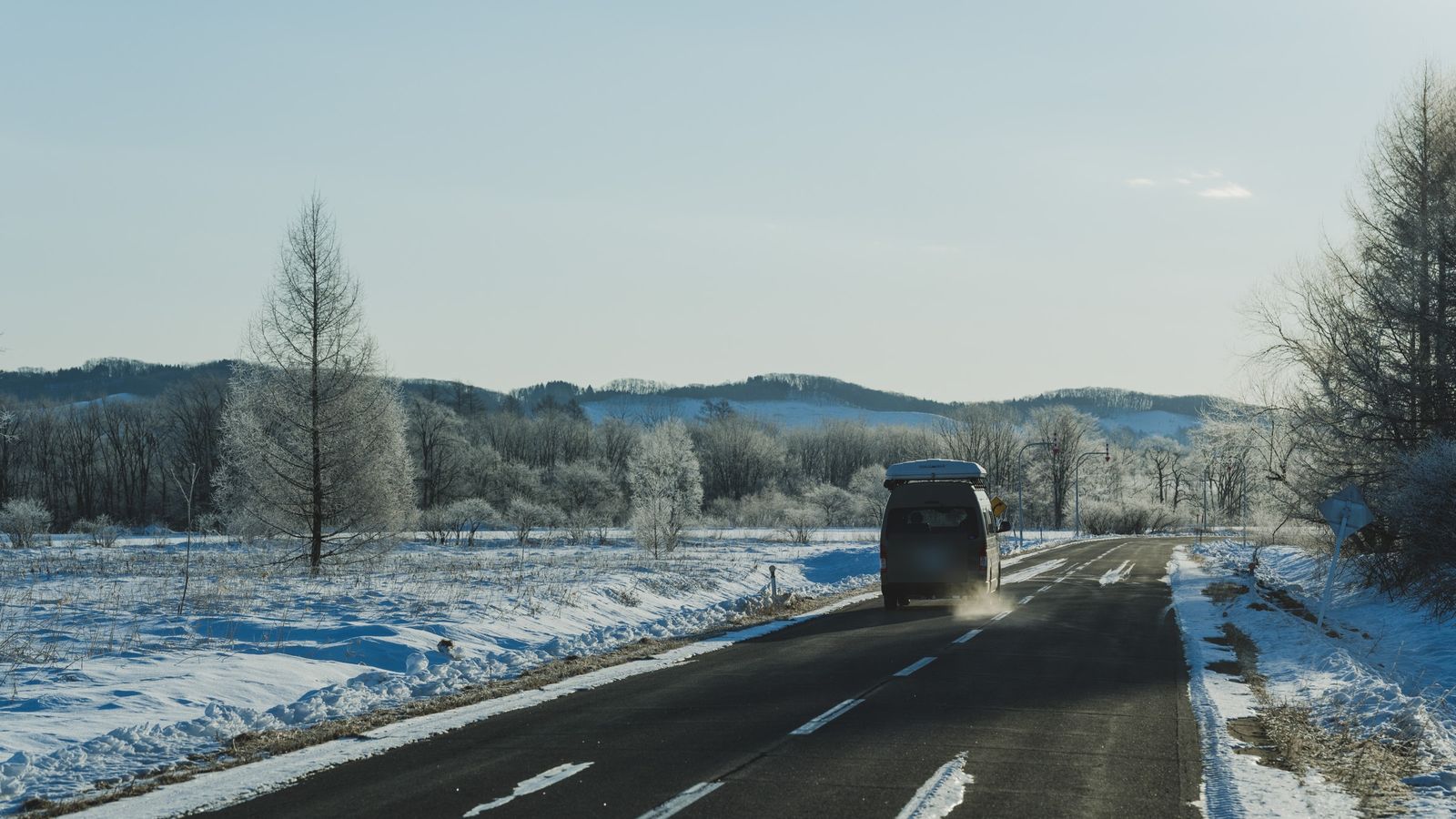
First: whether your route includes a mountain pass, and when you’ll cross it. Even if the forecast for the town is rain, that can turn to snow at higher elevation. If your itinerary crosses a pass, check first whether you can shift that day, take a detour that avoids the pass, or time the crossing for the warmer part of the day. Second: where you’re staying overnight. One advantage of a campervan trip is that you’re not locked into a fixed lodging plan — on a day cold air is moving in, you can shift to an RV park or roadside station at lower elevation, closer to town, and that adjustment works even on the day itself. Third: gear. Now is the point to double check you have winter jackets, gloves, non-slip footwear, and a scraper for frost on the windows. October in Hokkaido has a big swing between daytime and early-morning temperatures, and it helps to plan for outdoor tasks like filling water or plugging in power to happen in the cold.
There’s also a knack to reading the forecast itself. Don’t just check the forecast for your starting point — check the pass you’ll cross and your destination separately, and pay close attention to the low temperature. Even if the forecast says “rain,” if the temperature during your crossing window is close to freezing, you need to factor in the possibility of icy roads. Forecasts update daily, so don’t just check once before leaving — build in a habit of checking JMA’s latest information for that day’s route every morning of the trip, so you can steer around the riskiest stretches and times.
One more note: which tires are on the vehicle you’re renting is the rental company’s responsibility, not something you control through your itinerary. Mid-October through early November is the transition window between summer and winter tires, so it’s worth confirming which tires will be on your vehicle before you book — but the details of how to check and what to look for are covered in when to switch to studless winter tires for a Hokkaido campervan trip. For this article, it’s enough to remember that tires are one item on your checklist.
Already Booked? Should You Cancel When You See First-Snow News?

If you’ve already booked and seeing “first snow in [some town]” in the news is making you anxious, the short answer is: you don’t need to rush into canceling on the strength of that news alone. As covered above, first snow is an observation that it snowed — it doesn’t mean the whole trip will be spent on snowy roads. It’s more productive to gather your decision-making inputs in order.
There are four things to do. First, check the week-ahead forecast for your actual travel dates and area — if the first snow that made the news was in a different area or a different week than your trip, it may simply not affect you. Second, confirm the winter equipment on your vehicle for your travel dates with the rental company. Third, go through your itinerary for mountain passes and legs through northern or inland Hokkaido, and see whether reordering stops or taking a detour lets you front-load your time in the areas where snow arrives earliest. Fourth, reread your booking’s terms for date changes and cancellation. If you’ve done all of that and you still have no winter-driving experience and an unavoidable mountain pass on your route, changing your dates isn’t overcautious — it’s the reasonable call.
If what’s actually worrying you isn’t the snow itself but whether you’ll be comfortable inside the van in winter — heating, the water system, that kind of thing — that’s a gear-and-lifestyle question. We answer those concerns one by one in before your winter Hokkaido campervan trip. Worth a read before you decide to cancel.
A Checklist for Building a Northern or Eastern Hokkaido Route After Mid-October
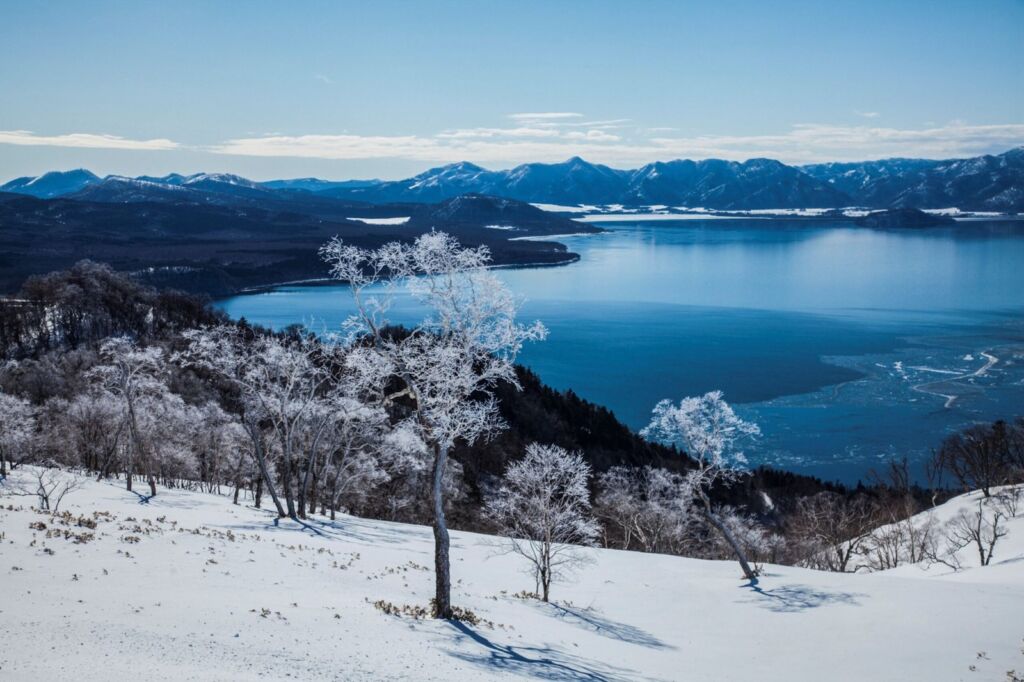
Here’s everything above reorganized along the timeline from booking to departure — a working list for putting the statistics into practice, not just something to read once.
| Timing | What to check or decide |
|---|---|
| When setting dates | Check whether your destination’s normal first-snow date overlaps your itinerary. If it does, put the earlier-snow areas (northern Hokkaido, inland) in the first half of the trip |
| When booking | Read the date-change and cancellation terms. Confirm winter equipment on your vehicle with the rental company for your travel dates |
| One week before departure | Check the week-ahead forecast and low temperatures for each area you’ll pass through. Re-check the timing and detour options for any mountain pass crossings |
| The day before / day of departure | Check the latest forecast for precipitation and temperature around any passes. Pack winter jacket, gloves, boots, and a scraper |
| During the trip | Check the forecast and road conditions for that day’s route every morning before setting out. If the weather turns, rework the plan |
The strength of a campervan trip is that, without a fixed lodging plan, you can change your destination and departure time the same morning. First-snow season is exactly when that flexibility pays off most. Prioritize matching your itinerary to that day’s sky, not sticking rigidly to the original plan.
Launching June 2026 from New Chitose Airport
Rent the “Cresson Journey” cab-conversion campervan
Compare rates, vehicle types, and pickup locations, based out of New Chitose Airport.
See details on Moving Inn →Try a Hokkaido road trip before you go: In Hokkaido Sugoroku, a free browser board game, you roll the dice and drive real roads between real RV parks and campgrounds, up to 200 km a day. From December to March it switches to a winter course that only uses places open in winter. (How to play)
Frequently Asked Questions
Q. Once first snow falls, do the roads turn wintry right away?
“First snow” is an observation that snow fell — whether it settles on the road is a separate question. The day of first snow doesn’t necessarily mean sustained snow cover begins that day. That said, this is also the period when early-morning and evening temperatures drop close to freezing, so passes and bridges can ice over even before snow accumulates. Assuming “no snow on the ground means it’s still like summer” is risky — check the temperature during your crossing window and the latest forecast instead.
Q. Is a late-October Hokkaido campervan trip reckless?
It’s not reckless, but it depends on where you go and how you build the trip. The Sapporo area, southwestern Hokkaido, and the Pacific coast have normal first-snow dates in early November (Obihiro and Hakodate on November 1, Kushiro on November 7), so late October falls before those normal dates. Asahikawa and Wakkanai, on the other hand, have already passed their normal date of October 19 by late October, so a route centered on northern Hokkaido should assume you’ll confirm winter gear and plan around mountain passes. Also keep in mind that some years bring snow earlier than the normal date.
Q. During first-snow season, how far should I plan to drive per day?
There’s no single number that fits every trip, but the principle is clear: don’t plan the same daily distance you would in summer, build your route to arrive at your destination before sunset, and go lighter on other plans for any day that includes a mountain pass. Building a “spare half day” somewhere into your itinerary, so you can shift by a night if the weather turns, helps you avoid pushing through a drive you shouldn’t.
Q. Can I know in advance if first snow will arrive earlier than the normal date?
There’s no reliable way to predict the exact date of first snow months out. What actually works is following the week-ahead forecast starting about a week before departure, along with JMA’s updates on upper-air cold air masses. Use the normal date as a cue for when to start paying attention, and make the actual call based on the forecast closer to departure — that two-step approach is the practical one.
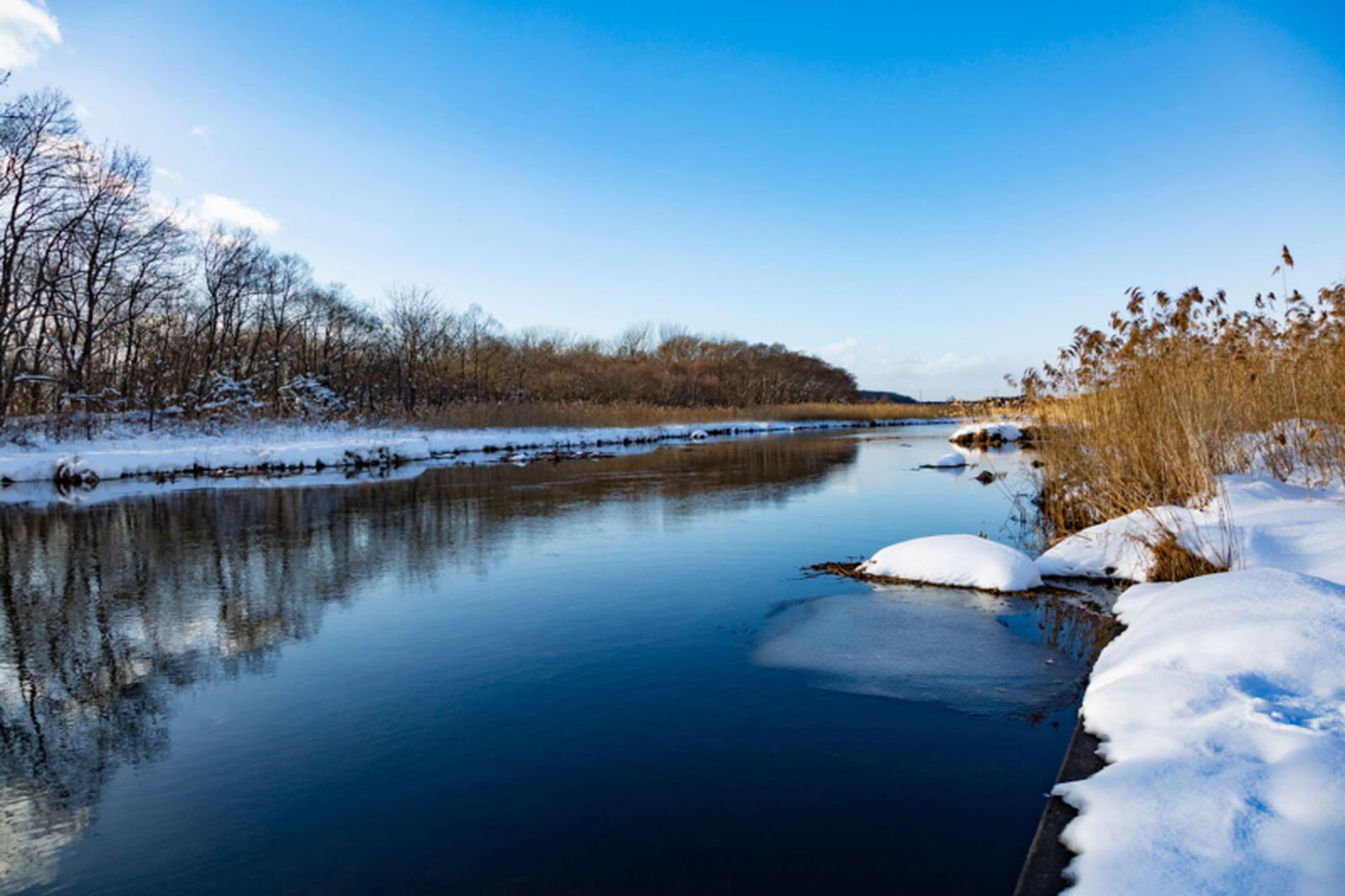
Start by Writing the Normal Dates on Your Calendar

Asahikawa and Wakkanai: October 19. Sapporo: October 28. Kushiro, the latest of them all: November 7. Write these three dates next to your itinerary and it becomes obvious at a glance which day, and which stretch of road, needs extra attention. The statistics aren’t something to just read — they’re a tool for drawing lines on your itinerary. If you haven’t booked yet, use them to reorder your dates and route. If you’ve already booked, use them to check the week-ahead forecast and your vehicle’s winter equipment today.
Launching June 2026 from New Chitose Airport
Rent the “Cresson Journey” cab-conversion campervan
Compare rates, vehicle types, and pickup locations, based out of New Chitose Airport.
See details on Moving Inn →Book a Campervan in Hokkaido
Moving Inn New Chitose Airport supports English booking and offers airport transfers.

![Things to Do in Sapporo in Winter: Beyond the Snow Festival, Plus Seasonal Highlights and a Campervan Guide [2026-27]](https://hokkaido-campingcar.jp/wp-content/uploads/2026/10/sapporo-hl1841-768x576.jpg)
![Monbetsu Drift Ice Festival 2027 [Feb 11–14]: Dates, Ice Sculptures, Garinko-go Icebreaker, Parking and Access by Campervan](https://hokkaido-campingcar.jp/wp-content/uploads/2026/10/monbetsu-hl999-768x576.jpg)
![Hokkaido New Year Weather and What to Wear | Sapporo, Hakodate, Asahikawa, Obihiro Mornings and Evenings, and Heavy-Snow Years [2026-27]](https://hokkaido-campingcar.jp/wp-content/uploads/2026/10/hokkaido-new-year-holiday-weather-eyecatch-768x432.webp)
![Hokkaido Illumination 2026-27 [Dates]: Sapporo Starts Nov 20, Plus Otaru, Asahikawa, Obihiro & Hakodate for Campervan Trips](https://hokkaido-campingcar.jp/wp-content/uploads/2026/10/hokkaido-illumination-2026-eyecatch-768x432.webp)